







Search Results for: Italian espresso
A Complete Guide to the Espresso Family: From Espresso Base to Specialty Drinks, an Overview of Common Types and Preparation Methods
Walking into any café, espresso is almost always the star of the menu. Many people's first impression of it stops at the intense bitterness of espresso, but in fact, the flavored drinks derived from espresso as a base are rich and varied, and there is always a cup to suit your taste. This article will systematically sort out the common types of Italian coffee, from espresso, Americano, latte, cappuccino to mocha, macchiato, caramel macchiato, and Dirty coffee, introducing one by one their flavor characteristics, ingredient ratios, and preparation methods, while also sharing Front Street Coffee's practical experience in bean selection and serving, to help coffee lovers understand the world of Italian coffee more comprehensively. [more…]
A Complete Guide to Common Espresso Drinks in Cafés: From Espresso to Dirty – Methods and Characteristics
Enter any coffee shop, and espresso is an indispensable presence on the menu. Many people's first impression of espresso is bitterness, but in fact, the espresso-based fancy coffee drinks are rich in variety and diverse in taste, so there is always one to suit you. To truly understand Italian coffee, you first need to know its family members. From the perspective of Front Street Coffee, this article systematically sorts out the characteristics, ratios, and preparation methods of espresso, Americano, latte, cappuccino, mocha, macchiato, caramel macchiato, and Dirty coffee, helping coffee lovers build a complete understanding of Italian coffee. [more…]
A Complete Guide to the Espresso Coffee Family: From Espresso to Specialty Drinks, Common Types and Brewing Methods Explained
In any coffee shop, espresso-based drinks are the star of the menu. Many people are startled by the intense bitterness of their first espresso, but the world of Italian-style coffee is far richer than one might imagine. From the basic espresso, to the Americano diluted with water, the latte and cappuccino blended with milk, and on to the fancy variations with chocolate or caramel, each one has its own unique recipe and flavor logic. This article systematically sorts through the most common types of Italian-style coffee found in cafés, analyzes their origins, ratios, and key preparation points, and shares Front Street Coffee's parameter plans from actual practice, to help coffee lovers find the cup that suits them. [more…]
From Espresso to Macchiato: A Single Chart Clarifies the Methods, Ratios, and Taste Differences of the Italian Coffee Family
Walking into a café, many people are momentarily confused by names like Espresso, Ristretto, Lungo, Latte, and Flat White, unable to tell which is which. In fact, they all belong to the Italian coffee system, and the main differences among them lie in the espresso extraction method, the proportion of milk or milk foam added, and the final cup volume and taste profile. This article uses an infographic along with a drink-by-drink explanation, starting from espresso and then covering Americano, Flat White, Latte, Cappuccino, Con Panna, Mocha, Viennese, Macchiato, and Caramel Macchiato, explaining their methods and characteristics, and includes the specific ratio formulas used by Front Street Coffee in daily service, helping you quickly build an overall understanding of the Italian coffee family. [more…]
Which Italian espresso beans make Ristretto truly shine? Plus espresso extraction parameters and key operating points
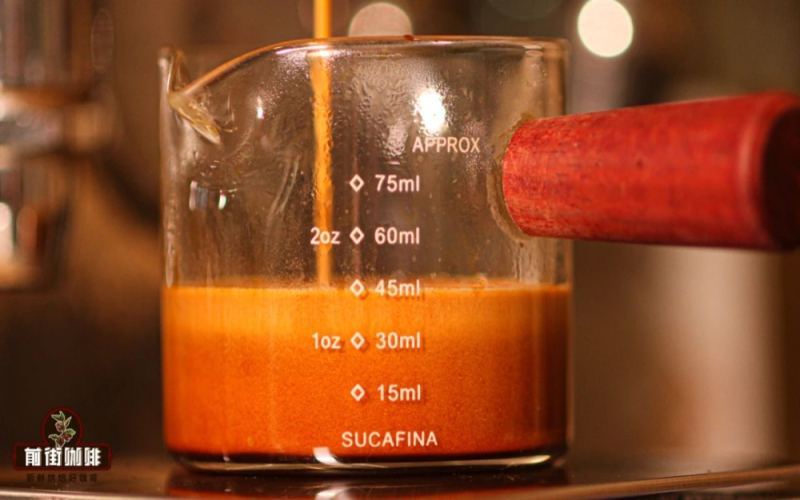
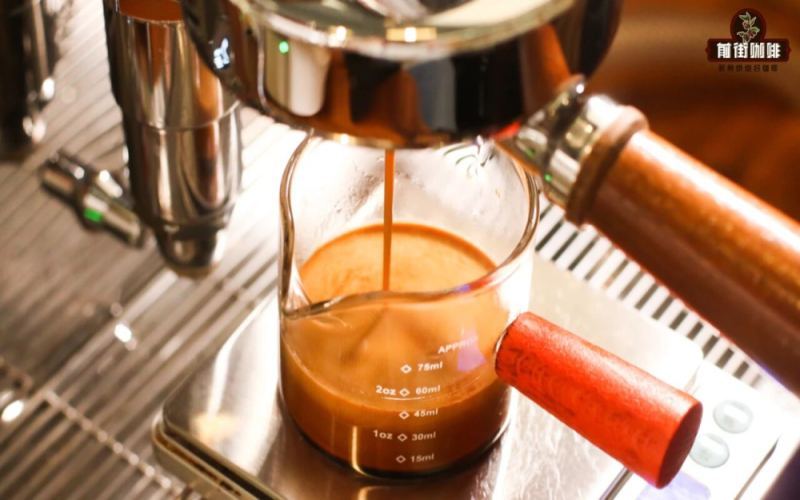
Ristretto is often translated as "Italian extra-strength" or "Italian ristretto." It is the "restricted version" of Espresso, taking only the essence of the early extraction stage of concentrated coffee. The flavor is more concentrated, the bitterness is lower, and the body is fuller, so it is also often used by coffee shops as the base for a Flat White. To make a delicious Ristretto, bean selection and parameters are both indispensable: the beans must be fresh, and a medium-dark roasted Italian blend is best, so it can bring sufficient crema and caramelized aroma. This article will systematically sort out the approach to making Ristretto, from bean selection and the characteristics of Front Street Coffee's two Italian blends to the brew ratio, time, and flavor comparison, helping coffee lovers steadily reproduce a rich and clean Italian extra-strength at home. [more…]

Italian Espresso Flavor and Grind Setting Analysis: The Art of Extracting Traditional Italian Beans
Espresso is the essence of Italian coffee culture and the soul cornerstone of coffee shops worldwide. From the birth of the first espresso machine in 1884 to the revolution brought by the lever-style coffee machine in 1948 with crema, espresso has continuously evolved. This article will guide you through the flavor characteristics of Espresso, three extraction types (Ristretto, Normale, Lungo), and the roasting orientation of traditional Italian beans. At the same time, Front Street Coffee will share recommendations for classic blends and strawberry candy espresso, and provide a detailed explanation of how to extract a rich and aromatic Italian espresso using Front Street Dark Cocoa Blend, including key parameters such as dose, grind setting, and extraction time. [more…]
A Detailed Guide to the Espresso Extraction Process: From the Differences Between Americano and Italian Espresso to Methods for Making Various Coffee Drinks
Espresso is the core foundation of the Italian beverage system, from which Americano, latte, cappuccino, flat white, mocha, and others are all derived. Drawing on the hands-on experience of Front Street Coffee, this article sorts out the extraction principles and standard parameters of espresso, compares the historical origins and taste differences between Americano and Italian-style coffee, and introduces the recipe concepts and flavor orientations of Front Street's four Italian-style blend beans. At the same time, the article also provides a complete list of the seven steps for making espresso, along with specific recommendations for dose, liquid weight, time, and more, helping coffee enthusiasts understand the logic behind bar operations so they can more consistently produce a qualified cup of espresso at home or in a shop. [more…]
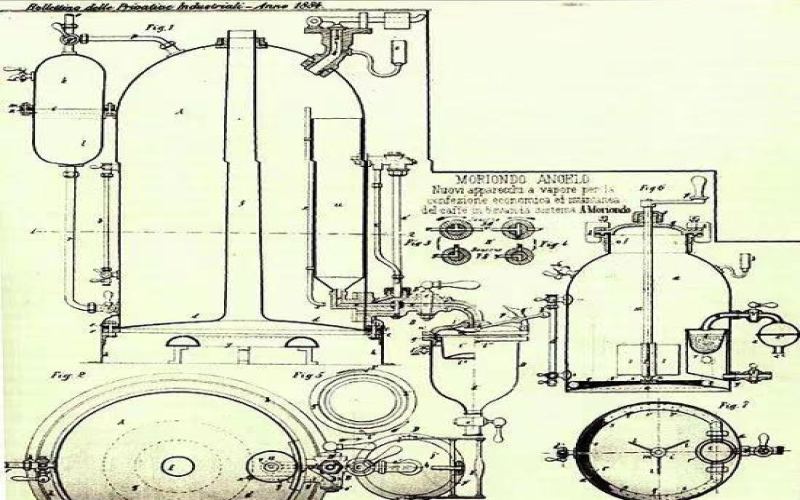
Authentic Italian Espresso Recipe | What Is the Extraction Principle of Italian Espresso? How to Taste Espresso Flavor? Which Coffee Beans Are Suitable for Italian Coffee?
The earliest method of making espresso was born in 1884, when an Italian named Angelo Moriondo designed a patented model of an espresso machine. Initially, the working principle of the espresso machine was based on two separate boilers. [more…]
What's the Difference Between Americano and Espresso? A Comprehensive Analysis from Taste and Ratio to Extraction Method
American coffee and espresso are two distinctly different styles of coffee, each made with an American coffee machine and an espresso machine respectively. The two differ noticeably in taste, strength, cup size, and brewing method. Espresso is based on a concentrated shot, with a rich flavor, pronounced bitterness, and a small serving size; American coffee, on the other hand, pursues simplicity and speed, with a lighter taste and a larger cup volume. Understanding these differences can help coffee enthusiasts choose the coffee that suits their personal preferences. This article will compare American coffee and espresso in detail across three dimensions—taste, ratio, and brewing method—and introduce common espresso-based derivative drinks. [more…]

A Complete Guide to the Espresso Coffee Family: From the Espresso Trio to Milk-Based Specialty Drinks
During the dog days of summer, when you'd rather not dig deep into origin theories and extraction science, Front Street Coffee figured it would just walk everyone through the vast system of Italian coffee. We'll start with the three espresso brothers—Espresso, Ristretto, and Lungo—then move on to the difference between Americano and Long Black, the milk coffee family of Latte, Cappuccino, Macchiato, Flat White, and Piccolo, as well as Italian specialty drinks like Mocha, Affogato, Con Panna, and Corretto. This article introduces each drink category by category, covering ratios, flavor characteristics, and whether it's served hot or cold, helping you understand what those names on the Italian coffee menu really mean—so you won't be confused when ordering. [more…]

Selection of Everyday Italian Espresso Coffee Beans | What Types of Classic Italian Coffee Are There? Recommended Italian Espresso Blend Coffee Beans for Making Lattes and Flat Whites
Because espresso has a very strong flavor, many people add granulated sugar or milk to balance its bitterness, which in turn sparked the trend of using espresso as a base. Fancy espresso drinks are blended with syrups, cream, spices, and various other flavorings to create a coffee taste with diverse and layered flavors, such as con panna and macchiato. [more…]
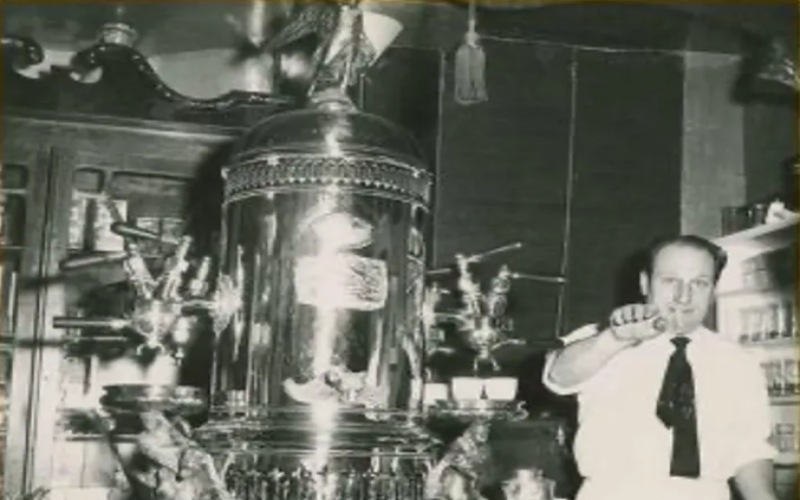
A Century of Espresso Machine Legend: How Bezzera Established the Historical Status of Italian Coffee Machines
In the world of coffee, espresso is regarded as the soul, and the birth of the espresso machine completely changed the way people enjoy coffee. Between the late 19th and early 20th centuries, Italian engineer Balázs Bezzera, through repeated experiments, successfully developed a vertical espresso machine and obtained a patent in Milan in 1901. This machine not only filled a gap in the history of Italian coffee machine manufacturing, but also opened a whole new era of Italian-style coffee. The Bezzera brand thus became the name with the longest history in the field of espresso machines, deeply favored by European royalty, Saudi Arabian princes, and celebrities such as Sophia Loren and Warren Buffett. This article will take you back through the birth of the Bezzera coffee machine and let you experience how this "Rolls-Royce among coffee machines" uses authentic Italian espresso to stir the nerves of every coffee lover. [more…]

A Complete Guide to Espresso: Definition, Drinking Methods, and Italian Blend Bean Selection Guide
Espresso is the core foundation of the Italian coffee system and a required course for many coffee enthusiasts just starting out. From the perspective of Front Street Coffee, this article systematically sorts out the definition and extraction standards of Espresso, introduces three common ways of drinking it—straight, with milk, and with water—as well as the less common pairing with liqueur, and takes a deeper look at the origin and role of espresso blend coffee beans. The article also compares in detail the pros and cons of two blending methods, pre-blending and post-blending, and finally shares the flavor characteristics and recipes of Front Street's four espresso blends, including Sunflower Warm Sun, Specialty Blend, Commercial Blend, and Dark Cocoa Blend, helping readers gain a comprehensive understanding of the coffee knowledge behind Espresso. [more…]
A Comprehensive Analysis of the Differences Between Espresso Blend Coffee Beans and Single-Origin Beans and the Logic of Blending
Many friends who are just getting into coffee are curious: why are blend beans used for making lattes and cappuccinos, while single-origin beans are used for pour-over? What exactly is the difference between the two? Starting from Front Street Coffee's production practices, this article systematically sorts out the definition of espresso blends, blending approaches, the original intent behind blending, and the respective pros and cons of blending raw versus roasted beans, while also explaining the importance of blending ratios and flavor harmony. The article also introduces in detail the formulas and flavor positioning of Front Street's four espresso blends, helping coffee enthusiasts choose suitable espresso beans according to their budget and taste preferences, and understand the philosophy of balance behind blending. [more…]

What's the difference between a latte and a cappuccino? A complete guide to the methods, ratios, and caffeine content of Italian milk coffees
Latte and cappuccino are the two most frequently ordered milk coffees on the Italian coffee menu. They share the same ingredients—espresso, milk, and milk foam—but their texture and ratios are quite particular. Drawing on Front Street Coffee's production experience, this article systematically sorts out the definitions of latte and cappuccino, their historical origins, the choice of espresso beans, extraction parameters, milk steaming temperature and foam thickness, as well as their respective recommended ratios and flavor performance. It also answers the common question of how much caffeine a latte contains, helping coffee lovers more clearly choose the Italian milk coffee that suits their taste. [more…]
An Analysis of Common Espresso Drinks: Flavor Differences and Blending Approaches from Espresso Base to Latte and Cappuccino
Walking into a café and faced with a wealth of options like latte, cappuccino, macchiato, and mocha, many people find it hard to tell them apart at a glance. In fact, all of these Italian-style coffees share Espresso as their common foundation, with milk, milk foam, chocolate, or hot water added in different proportions to create their own flavor profiles. This article will take espresso extraction as its starting point, systematically sorting through the recipe structures, origins of names, and taste characteristics of common Italian-style coffees one by one, and explaining that the line between latte and cappuccino is not sharply drawn, but rather a variation in proportions and emphasis. At the same time, drawing on the production practices of Front Street Coffee (FrontStreet Coffee), it introduces the extraction parameters and flavor performance of its espresso blend beans, helping readers, after understanding the classic proportions, adjust a cup that better suits their personal taste. [more…]
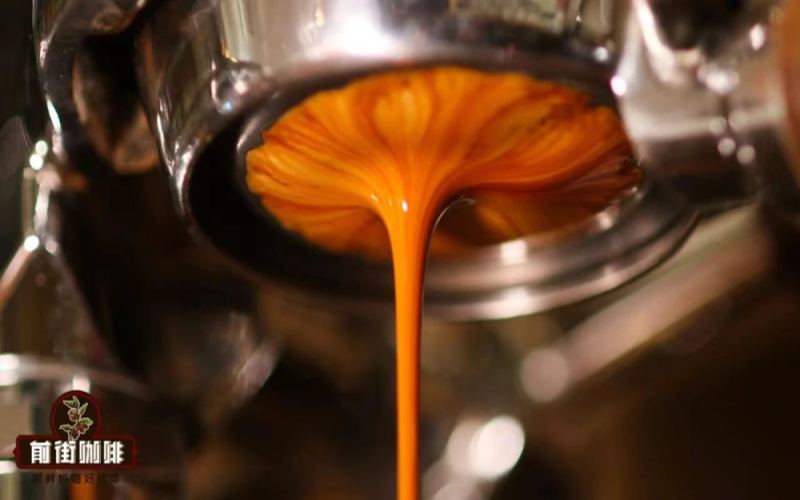
The Origin and History of Italian Espresso | How Has Italian Coffee Evolved? How Can Coffee Novices Choose Espresso Blend Coffee Beans for Home Use?
For more specialty coffee knowledge, please follow the WeChat public account: FrontStreet Coffee. Just like the passionate Italians, Italian coffee is world-famous for its rich and mellow flavor. Espresso is the most representative Italian coffee. The United States [more…]

Traditional Italian coffee drinking methods | Is it normal for Italian coffee beans to be oily? Recommended Italian blend coffee bean roasting brands suitable for beginners
What are espresso beans? Espresso beans are geared toward use with espresso machines, with the goal of making delicious espresso. For the sake of consistency, beans from more than two origins are usually blended, so that every extraction can be controlled, thereby balancing the flavors of Americano and latte. There are many coffee beans on the market. [more…]
A Complete Guide to Italian Coffee Roast Styles: Southern, Central, and Northern Italian, and How to Choose Blends
In crafting an outstanding espresso, the choice of roast level and the blending approach are often the key factors that determine the flavor direction. Coffee beans from different origins can only reveal their best characteristics at their respective ideal roasting points, and the roaster needs to find a balance among them. This article will guide you through the logic of espresso bean blending, introduce the basic differences among the three roasting styles of Southern Italian, Central Italian, and Northern Italian, and, in combination with several classic blend products under the Front Street Coffee brand, explain how to select suitable espresso beans according to taste preferences and production needs. Whether you are a home coffee enthusiast or the owner of a community coffee shop, you can gain practical reference ideas from it. [more…]
Philips 8833 Fully Automatic Espresso Machine Operation Guide and Classic Coffee Recipes Sharing
Do you want to easily enjoy an authentic espresso at home? The Philips 8833 fully automatic coffee machine may be just the partner you need. This article will take this model as an example to explain in detail its usage and design highlights, while also introducing the preparation ideas for classic drinks such as latte, au lait, and Baileys iced coffee. As the soul of Italian coffee, espresso is an important standard for judging the quality of a cup of coffee, and mastering the correct operation method can allow the flavor of the coffee beans to be released more fully. Whether you are a beginner who has just come into contact with a fully automatic coffee machine, or an enthusiast hoping to improve your daily brewing experience, you can gain practical reference from the following text. [more…]